Basic Information
| Field | Details |
|---|---|
| Name | Susanne (also written Susan) Kekich |
| Known For | Central figure in the 1973 Yankees family exchange involving two pitchers and their families |
| First Husband | Mike Kekich (left-handed MLB pitcher; marriage ended in the early 1970s) |
| Second Husband | Fritz Peterson (right-handed MLB pitcher; married 1974, together for decades until his death) |
| Children | Children from the pre-1973 marriages were part of the family exchange; names kept private |
| Notable Event | Public announcement of the partner-and-family swap: March 1973 |
| Associated Teams | New York Yankees (through the careers of Mike Kekich and Fritz Peterson) |
| Occupation | Not publicly documented |
| Public Presence | Low-profile; appears mainly in retrospectives and photos surrounding the 1973 episode |
| Distinguishing Note | The swap famously included wives, children, and even family pets |
Early Connections and Social Orbit
In the late 1960s and early 1970s, two young baseball families—Mike and Susanne Kekich, and Fritz and Marilyn Peterson—moved through the same social orbit. Spring trainings in Florida, dinners, barbecues, and team gatherings stitched together a patchwork of friendship and familiarity. The couples’ lives overlapped the way teammates’ routines often do: car rides to the stadium, shared babysitting, and persistent New York chatter humming behind every inning.
From that closeness came a decision that would seize the headlines. The couples chose to exchange partners—more than a romantic pivot, it was a wholesale change of domestic life. They did not frame it as scandal; they framed it as a deeply personal choice. But personal choices sometimes ignite public storms, especially when they collide with America’s pastime.
The 1973 Exchange: A Timeline
The announcement, made in March 1973 during spring training, arrived like a lightning strike. Sportswriters spilled ink. Radio hosts marveled. Fans gossiped. The story traveled from dugouts to diners in a single afternoon. Yet, behind the clamor, there was a human-scale rhythm—people packing boxes, children adjusting bedrooms, dogs following new hands, all under a national spotlight that never dimmed.
| Date | Event |
|---|---|
| Late 1960s–Early 1970s | The Kekich and Peterson families grow close as teammates; vacations and frequent visits reinforce their bond. |
| March 1973 | Public announcement: Mike Kekich and Fritz Peterson reveal they have exchanged partners, households, children, and pets. |
| Mid–Late 1973 | The new arrangements settle unevenly; Mike and Marilyn’s relationship fades; Fritz and Susanne continue as a couple. |
| 1974 | Fritz Peterson and Susanne Kekich marry, beginning a long marriage that becomes the stable center of the story’s aftermath. |
| 2010s–2020s | Retrospectives revisit the swap; the event becomes a familiar cultural shorthand for unconventional sports-era headlines. |
| 2024 | Fritz Peterson dies; his long marriage to Susanne is noted in the many remembrances of his life and career. |
Family Members and Roles
- Mike Kekich (first husband): A left-handed pitcher whose career included years with the New York Yankees. His marriage to Susanne preceded the 1973 exchange; afterward, he eventually moved on, stepped away from press attention, and maintained a private life.
- Fritz (John William “Fritz”) Peterson (second husband): A right-handed pitcher for the Yankees known for pinpoint control on the mound and later infamous for the swap off it. He and Susanne married in 1974 and remained together for decades; their marriage became the enduring outcome of the episode.
- Marilyn Peterson (Fritz’s first wife): The other principal figure in the swap. Her subsequent relationship with Mike did not last, a reminder that even carefully considered choices can unwind in the everyday pressures of real life.
- Children: Both families had children at the time, and the exchange was presented as a full domestic transition—including bedrooms, routines, and caretaking. Their privacy has largely been respected in public recountings.
Life After Headlines
For Susanne, the years after 1973 were quieter than the headlines suggested. She built a life with Fritz that unfolded far from flashing cameras and editorial judgments. No professional résumé of hers entered the public record; no constant interview circuit became a second act. Instead, her story is largely told through the steadiness of a long marriage—one that began in 1974 and endured for decades.
When retrospectives revisit the swap, they often find a simple, understated truth at the center: Susanne and Fritz stayed together. Amid the competing narratives—moral panic, curiosity, locker-room lore—the enduring marriage reads as the epilogue. It is the coda that reframes the episode not as a carnival twist, but as a risky reconfiguration that, at least for one couple, proved lasting.
Public Memory and Cultural Echoes
The 1973 exchange lives on as a cultural flashpoint, a story people tell when they want to capture the oddness—some would say audacity—of sports celebrity colliding with private life. It resurfaces whenever strange trades or personal dramas breeze through baseball history. A few numbers anchor its memory: a spring training date, two couples, two MLB careers, and a single announcement that turned the intimate into the indelible.
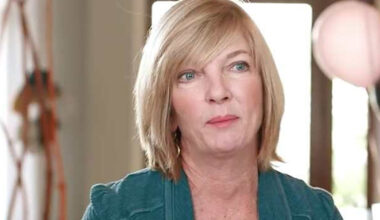
In the retellings, Susanne often appears in photographs—a poised figure at the edge of the frame—while articles hash over the logistics and shock of the swap. Yet public memory tends to flatten complexity. Behind every headline are quiet domestic negotiations: calendars, school pickups, phone calls, and the gift of normalcy. Susanne’s public silhouette is light; her private presence, by all accounts, was steady.
Data Points and Quick Facts
| Year | Milestone |
|---|---|
| Early 1970s | The two families’ friendships deepen amid the rhythms of New York baseball. |
| March 1973 | The announcement draws national attention; the swap becomes one of baseball’s most unusual off-field stories. |
| 1974 | Susanne and Fritz marry, anchoring their household for the decades to come. |
| Subsequent Years | Mike withdraws from publicity; Marilyn moves forward separately; the story enters sports folklore. |
| 2024 | The baseball community reflects again on the swap while remembering Fritz’s career and long marriage to Susanne. |
Texture and Character
Even in the compressed summaries and box-score brevity of sports history, the story of Susanne Kekich contains rich textures: the quiet choices that shape families; the weight of public curiosity; and the stamina required to live within an old headline. Her presence throughout the decades functions like a ballast—an internal steadiness that held fast while a cultural storm raged overhead. She did not become a public spokesperson or a chronicler. She simply lived the life she chose, with the person she chose, for a very long time.
The metaphor of a “trade” remains the go-to shorthand. But the truth is closer to a tectonic shift in personal geography. It wasn’t merely a single transaction; it was years of continuity, setbacks, and reconciliation with a world that never quite stopped re-litigating the decision. If the 1973 announcement was a lightning strike, Susanne’s later decades were weather systems—less dramatic and far more enduring.
FAQ
Who is Susanne Kekich?
She is best known as one of the central figures in the 1973 Yankees family exchange and later as the longtime wife of pitcher Fritz Peterson.
Did she have a public career?
There is no widely documented public profession; most references to her appear through the 1973 swap and Fritz Peterson’s life.
When did she marry Fritz Peterson?
Susanne married Fritz in 1974, and they remained married for decades.
Were children involved in the swap?
Yes, contemporary accounts note that both families’ children were part of the household exchange.
What happened to Marilyn and Mike afterward?
The relationship between Mike Kekich and Marilyn Peterson did not last, and both moved on privately.
Why is this story still discussed?
It remains one of baseball’s most unusual off-field episodes, combining personal lives with the spectacle of professional sports.
Are there verified details about her birth date or education?
Such details are not commonly reported in reliable public records and remain private.
Did Susanne use the name “Susan”?
Yes, some accounts refer to her as Susan; “Susanne” and “Susan” have both appeared in public references.