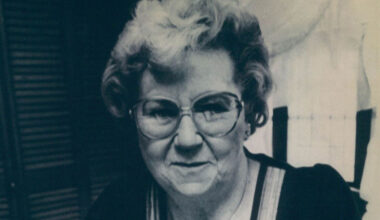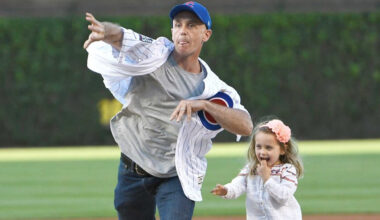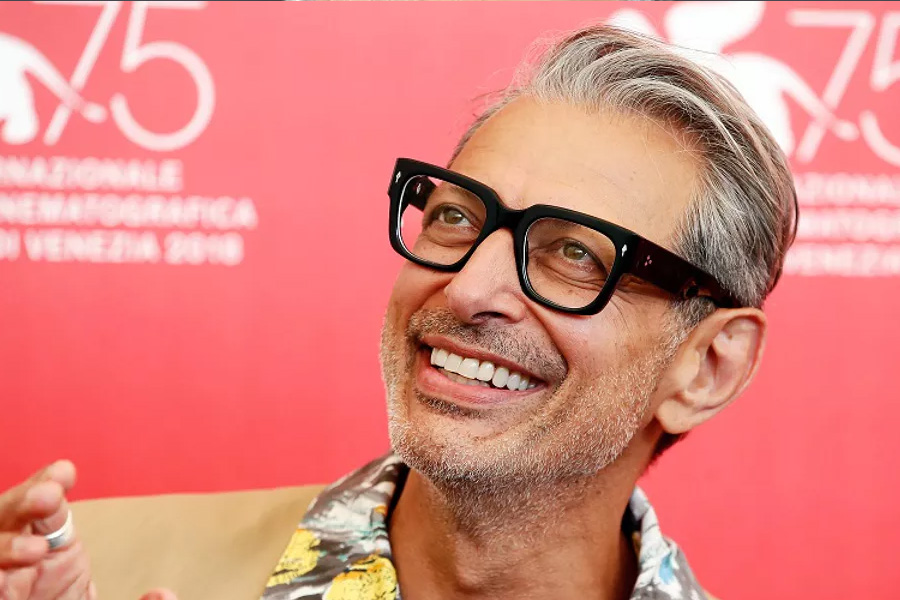
Basic Information
| Field | Details |
|---|---|
| Full Name | Lee Sander Goldblum |
| Birth | October 3, 1947 or 1948 (Pennsylvania, USA) |
| Death | January 31, 2015 (age 66 or 67) |
| Burial | Allegheny Cemetery, Pittsburgh; interment on February 3, 2015 |
| Heritage | Jewish; family roots in Starobin (now Belarus) and Zolochiv (now Ukraine) |
| Childhood Home | West Homestead, Pittsburgh area |
| Early Schooling | Mifflin School (Pittsburgh), moved around fifth grade |
| Parents | Harold Leonard Goldblum (1920–1983); Shirley Jane Temeles Goldblum (1926–2012) |
| Siblings | Jay Richard “Rick” Goldblum (c. 1948–1971); Jeffrey Lynn “Jeff” Goldblum (b. 1952); Pamela Goldblum |
| Religious Upbringing | Raised in a Jewish household; family affiliated with an Orthodox synagogue |
| Education/Training | Brief medical studies |
| Military Service | Served in the U.S. Army |
| Occupations | Taxi driver; various roles reflective of a changing path |
| Marital Status | No confirmed marriages |
| Children | No confirmed descendants |
| Known For | Elder brother of actor Jeff Goldblum; a private life marked by mid-century societal pressures |
| Extended Family | Uncle to Jeff’s sons: Charlie Ocean (b. 2015) and River Joe (b. 2017) |
Early Life and Heritage
Lee Goldblum entered the world in the post-war years, the eldest child in a striving Pittsburgh family. His father, Harold, a World War II U.S. Army major and respected physician who eventually led a hospital’s medicine department, brought discipline and duty into the household. His mother, Shirley, moved with equal purpose—first on the airwaves as a radio broadcaster, later in business managing a kitchen appliances company. The family’s Jewish identity was both anchor and atlas, with grandparents’ paths stretching back to the Russian and Austro-Hungarian empires. In West Homestead, the Goldblums were part of an Orthodox synagogue, practicing traditions that braided home life with ritual.
Lee’s first classrooms were local, familiar. At Mifflin School, he learned amid the buzz of steel-town neighborhoods. Around fifth grade, the family moved, and like many mid-century families in motion, new streets and new school corridors added layers to a childhood already textured by expectations and aspiration.
A Youth Under Scrutiny: Identity and Therapy
To be young and different in the 1960s could be like walking into a stiff wind. Lee was a gay man at a time when secrecy was expected and acceptance elusive. Family accounts describe a clandestine attempt to “fix” him—conversion therapy arranged by his father, the kind of intervention that left scars invisible but deep. The experience, “cruel” and isolating, pressed on him for years, an echo chamber of pain in an era that offered little compassion or understanding. These pressures shaped his path, narrowing possibilities and redirecting choices.
Education, Service, and Work
The Goldblum house was one where ambition was a currency and professional achievement, a compass. Lee initially moved toward medicine, following in Harold’s shadow, but his trajectory turned. He served in the U.S. Army, then stepped into civilian life with a patchwork of jobs. Taxi driving became one such role—a steady wheel in a city that changed street by street—offering income, independence, and anonymity. His working years bore the imprint of uncertainty: starts and stops, reconsiderations, and compromises common to those burdened by stigma and health challenges. If his dreamscape once held laboratories and hospital rounds, adulthood summoned grittier undertakings.
Family Ties: Parents and Siblings
Family defined Lee’s world: affectionate yet complicated, brimming with strong personalities and crosscurrents. Harold and Shirley stood as fixtures—devoted, flawed, imposing, loving. Their household raised four children, each distinctly marked by their era’s moods and momentum.
- Jay Richard “Rick” Goldblum, close in age to Lee, carried a heroic aura in sibling lore. His death in 1971 at just 23, after contracting dysentery and suffering kidney failure while abroad, was a rupture—a line between before and after for the entire family.
- Jeffrey Lynn “Jeff” Goldblum, born in 1952, would become the best-known torchbearer of the family name, acting and making music with signature curiosity and wit. Jeff’s public reflections on Lee reveal a portrait of care, complexity, and grief—a brother who lived quietly but left a strong imprint.
- Pamela Goldblum maintained a lower profile, invested in the family’s Pittsburgh heritage and community ties.
As years passed, the family’s losses accumulated—Harold in 1983, Shirley in 2012—each farewell tightening the circle around memories. In his later decades, Lee lived with his parents, relying on familiar rooms and routines. The home became sanctuary and shelter, a place to be cared for, to recalibrate, and to endure.
Losses and Later Years
After his mother’s death in 2012, the structure of Lee’s daily life shifted. He had already faced health issues and periods of instability; now absence added another layer. Still, there is a sense that he navigated as best he could, staying close to family, keeping a modest profile, and avoiding spotlight and scrutiny. He died on January 31, 2015, at 67 (if born in 1947) or 66 (if born in 1948). On February 3, 2015, he was laid to rest in Allegheny Cemetery, a historic Pittsburgh ground that holds generations within its quiet lanes.
Timeline of Key Moments
| Year | Event | Details |
|---|---|---|
| 1947/1948 | Birth | Born October 3 in Pennsylvania; eldest of four children in the Goldblum family |
| 1950s | Childhood | Grew up in West Homestead; attended Mifflin School before a family move around fifth grade |
| 1960s | Identity Pressures | Faced societal stigma as a gay youth; underwent conversion therapy arranged by his father |
| 1971 | Family Tragedy | Brother Jay Richard “Rick” died at 23 following illness and kidney failure while traveling |
| 1970s–1980s | Changing Paths | Brief medical studies; U.S. Army service; post-service work including taxi driving |
| 1983 | Father’s Death | Harold Leonard Goldblum died at 62; a turning point in household leadership |
| 1990s–2010s | Later Years | Lived with parents; coped with health challenges and limited career stability |
| 2012 | Mother’s Death | Shirley Jane Temeles Goldblum passed at 85 |
| 2015 | Lee’s Passing | Died January 31; interred February 3 at Allegheny Cemetery |
Legacy and Remembrance
Lee’s life was not broadcast, measured, or monetized. It unfolded in private rooms, hospital corridors, city streets, and family tables. While he didn’t collect titles or trophies, his legacy surfaces in the ways families metabolize hardship and love. Jeff has described him with tenderness and melancholy—an “interesting dude” whose struggles reverberated as lessons, warnings, and empathy. In the tapestry of Goldblum stories, Lee’s thread is subdued yet essential, running from mid-century Pittsburgh to contemporary reflections on identity, acceptance, and kinship.
Even beyond his death, his presence lingers in the next generation: Jeff’s sons, Charlie Ocean (born 2015) and River Joe (born 2017), are nephews he never met but still part of his orbit—a familial constellation that carries his name forward. In a world that often applauds noise, Lee reminds us of quiet resilience: a life lived under pressure, shaped by love, and ultimately remembered in the voices of those who knew him best.
FAQ
Was Lee Goldblum married?
No confirmed records indicate a marriage.
Did Lee Goldblum have children?
There are no documented descendants.
What did Lee Goldblum do for work?
He held varied roles over time, including driving a taxi.
Did Lee serve in the military?
Yes, he served in the U.S. Army.
When and where was Lee born?
He was born on October 3 in Pennsylvania, likely in 1947 or 1948.
Why is his birth year uncertain?
Different records cite 1947 or 1948, leading to a small discrepancy.
How is Lee related to Jeff Goldblum?
Lee was Jeff Goldblum’s elder brother.
Where is Lee buried?
He was interred at Allegheny Cemetery in Pittsburgh on February 3, 2015.
What is his cultural background?
He was raised in a Jewish family with roots in Eastern Europe.
What shaped his adult life most?
Mid-20th-century pressures around identity, family expectations, and health challenges.